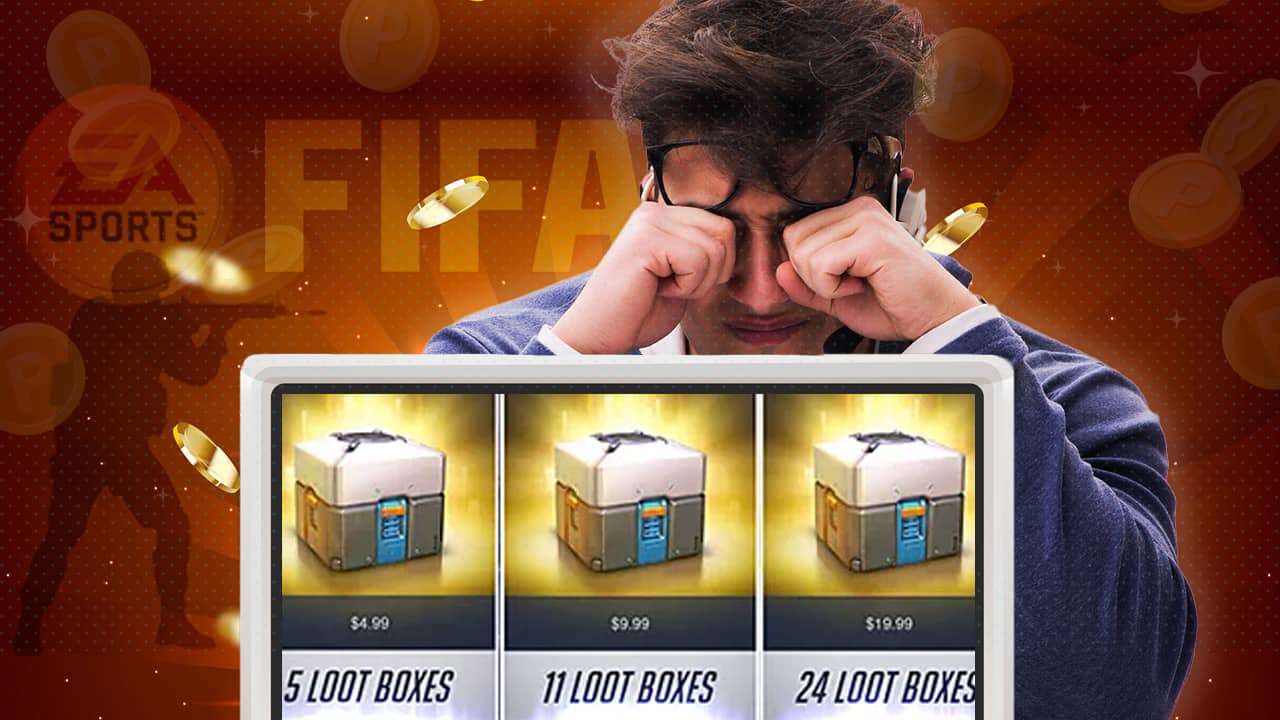
If you’ve tried online slots, you’ll know what I mean: it’s exactly like opening a loot box. You hit a button, the screen explodes in colors, a coin sound pings in your brain, and your pulse spikes for a split second. Then… disappointment. Or dopamine. Either way, you go again.
Sound familiar?
That’s because modern online games have taken a lot of inspiration from online casinos — and they’re not even being subtle about it.
Loot Boxes: The Not-So-Secret Slot Machines of Gaming
Let’s be honest. Loot boxes in many games feel less like gameplay and more like digital scratch cards. You’re not earning rewards — you’re gambling for them.
Game devs won’t say the G-word, of course. They prefer terms like “surprise mechanics” (yes, that’s a real quote). But when you pay real money for a randomized reward, that’s not far off from pulling a slot machine’s lever — except you don’t get flashing lights and a free drink.
From flashy “ultra-rare” drops to “limited-time” loot, the entire system is built to keep you coming back. Sometimes for the thrill. Often for the fear of missing out. Always for more.
“If It Looks Like Gambling…”
A lot of people — from parents to psychologists to actual lawmakers — have started asking tough questions.
Why are kids being introduced to these mechanics in games rated for ages 12 and up?
Why is it legal to sell a randomized in-game chest for $4.99 with a 0.5% chance of getting something cool?
Why are we okay with games quietly turning into slot machines in cosplay?
The comparisons aren’t just dramatic. Structurally, loot boxes and casino slots share all the same tricks — random rewards, variable payouts, near-miss effects, flashing animations, sound cues, escalating stakes. It’s not “like gambling.” It is gambling with better art direction.
The Global Crackdown (or Lack of One)
Different countries are handling this in very different ways. Some are dropping the hammer. Others… well, let’s just say they’re still looking into it.
In Belgium, loot boxes are banned outright under gambling laws. Developers had to disable them or pull their games.
The Netherlands has been on-again, off-again with bans depending on whether rewards can be traded.
France wants more transparency — odds disclosures and parental controls.
Germany slaps warnings on boxes like they’re packs of cigarettes.
Brazil recently passed a law banning loot box sales to minors. (Yes, Brazil is ahead of the curve.)
And in South Korea, companies are legally required to show the odds of winning rare items — and not hidden in a six-click-deep menu.
Meanwhile, in the U.S., there’s growing pressure to regulate, but the games industry has a powerful lobby and a great poker face.
So… Are We Playing or Are We Gambling?
Here’s where things get messy. Because not all loot boxes are created equal.
Some games let you earn them through play. Others make you grind like a squirrel in a cage before you get a free spin. Some only offer cosmetics. Others lock progression or competitive advantages behind them. Some let you trade items. Others don’t. But the emotional hook? It’s the same.
This isn’t just about kids blowing allowance money on sparkly skins. It’s about how game design is increasingly built on chance, psychology, and — let’s face it — addiction.
The Line Between a Game and a Casino Is Getting Blurry
Once upon a time, you bought a game, played it, and maybe unlocked a cool skin by beating a boss. Now, the boss drops a loot crate, but you need a key, which costs $2. And that skin? It has a 1 in 500 chance of appearing. But don’t worry — there’s a bundle on sale!
This design isn’t accidental. It’s borrowed — sometimes copied wholesale — from casino playbooks.
Fortune Tiger didn’t invent it. It’s just one of the clearer examples. The real genius is in how seamlessly those mechanics have been integrated into mainstream games. Shooters. MOBAs. Even sports games. If your game has a store, a currency, and a randomized prize pool — congratulations. You’re halfway to Vegas.
So, What Now?
As players, we have to be more aware. Not every shiny reward is worth chasing. Not every game deserves your wallet. And sometimes, the best loot is saying “nah, I’m good” and walking away.
Games are supposed to be fun. Engaging. Creative. Challenging. Not psychological traps that prey on your impulses and empty your bank account.
And if the devs ever ask why people are so cynical about monetization these days?
Tell them: it’s because we played online slots, and we’ve seen behind the curtain.